Key Summary: Developing hospitality professionals with management expertise, practical skills, certifications, and global competitiveness.
History
- I-Shou University applied for the establishment of the Department of Hospitality Management in Academic Year 2005.
- Following over a year of planning and preparation, the Ministry of Education approved the Department of Hospitality Management, which began admitting students in Academic Year 2007.
- The Continuing Education Bachelor’s Program of the Department of Hospitality Management started enrollment in Academic Year 2009.
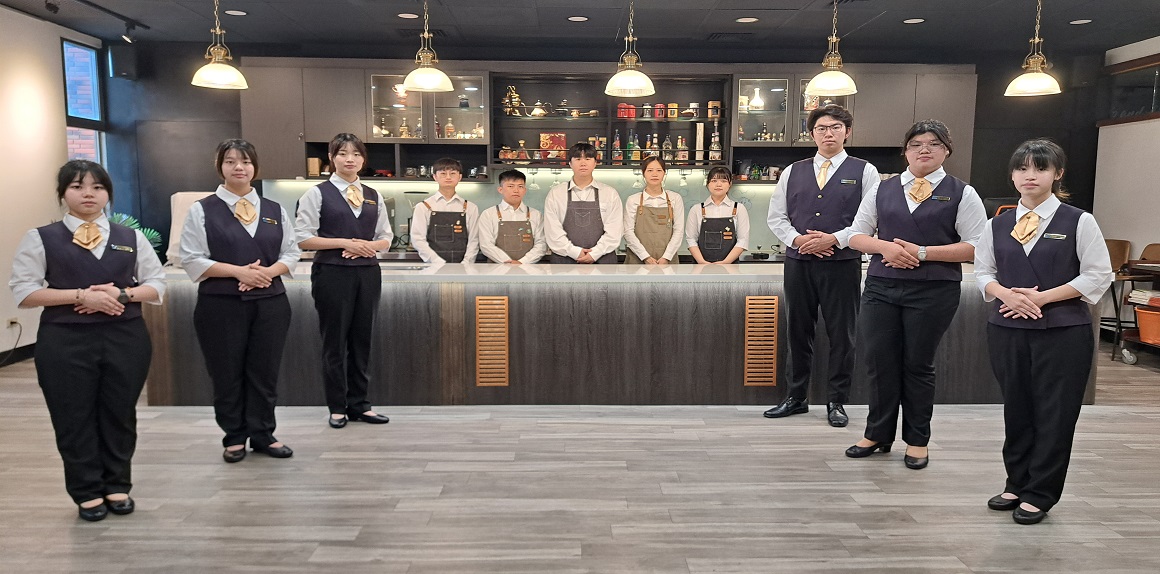
Department Development Direction
- The department’s primary objective is to cultivate advanced hospitality management professionals through a balanced approach combining academic theory and practical experience.
- Students are encouraged to develop humanistic qualities, professional ethics, and service-oriented characteristics required by the hospitality industry.
- Technical training and certification guidance are provided, enabling students to earn one to five nationally recognized professional certificates before graduation.
- Students are encouraged to obtain English or Japanese language certifications to strengthen international communication abilities and career competitiveness.
- The first and second academic years emphasize foundational theoretical and practical courses that introduce hospitality industry operations and workflows.
- The third and fourth academic years focus on advanced hospitality management and supervisory-level professional courses.
- A six-month off-campus internship is arranged during the third year, allowing students to gain real-world industry experience and apply classroom knowledge.
- Specialized elective tracks in Restaurant Management and Hotel Management are designed to cultivate comprehensive hospitality management professionals.
Core Competencies
- Students should possess the ability to integrate hospitality management theories and practical skills for effective application in professional settings.
- Students should be capable of managing restaurant and hotel operations while adapting to industry changes and evolving market trends.
- Students should demonstrate corporate ethics, communication skills, leadership abilities, teamwork, independent working capabilities, and professional responsibility.
- Students should develop a well-rounded personality and international outlook, preparing them to become comprehensive hospitality professionals.
The department integrates academic learning, practical training, professional certifications, language development, and industry internships to strengthen graduates’ employability and professional competitiveness.
Key Summary: Hospitality education integrated with five-star hotel resources and comprehensive practical training facilities.
Educational Objectives
- The Department of Hospitality Management is the only hospitality management program in Taiwan directly connected with five-star hotels, providing students with unique industry learning opportunities.
- The department's educational objective is to cultivate well-rounded hospitality management professionals equipped with a global perspective and professional expertise.
- Through a combination of academic learning and industry resources, students develop both theoretical knowledge and practical hospitality management competencies.
Department Features
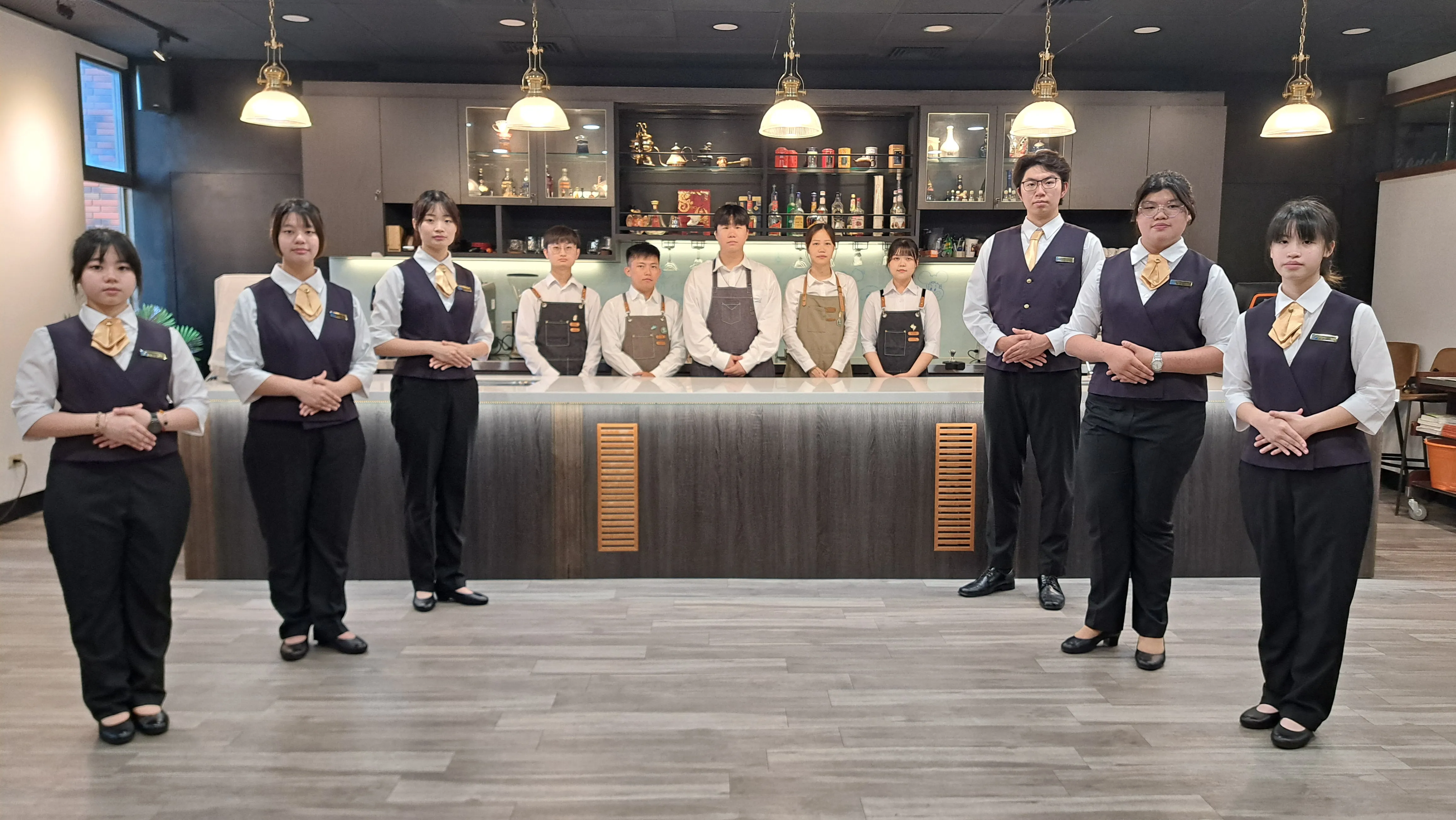
- A key feature of the department is the "I-Shou Hospitality Operations Internship Center," which provides students with hands-on hospitality learning experiences in a simulated industry environment.
- Chinese Cuisine Classroom for culinary skills development and traditional cuisine training.
- Western Cuisine Classroom for international culinary education and food preparation techniques.
- Baking Classroom equipped for pastry, bakery, and dessert production training.
- Kitchen Operations Center designed to simulate professional food production and kitchen management practices.
- Housekeeping Demonstration Center for hotel housekeeping operations and accommodation service training.
- Beverage Mixing Center providing professional beverage preparation and bartending instruction.
- Restaurant Service Classroom for dining service procedures and customer service training.
- Reception Hall used to simulate front-of-house operations and hospitality reception activities.
- These specialized facilities enable students to learn and practice within a realistic hospitality industry environment before entering professional workplaces.
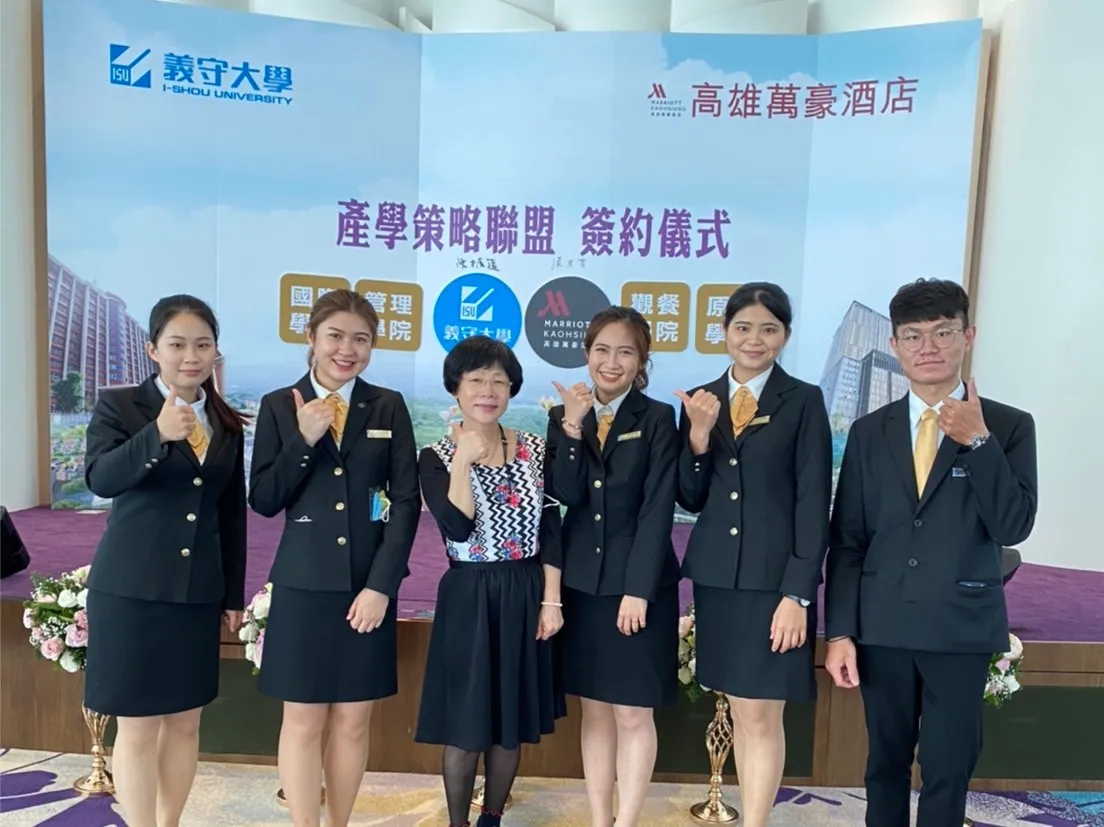
The department emphasizes experiential learning through specialized training facilities, allowing students to strengthen professional hospitality competencies within simulated operational environments.
Key Summary: A systematic curriculum integrating theory, practice, and industry internships.
Curriculum Structure
- The department provides a diverse and systematic curriculum designed to cultivate comprehensive hospitality management professionals.
- During the first and second years, students focus on foundational theoretical knowledge and practical training courses.
- During the third and fourth years, advanced core professional courses are offered to strengthen students' expertise and industry competence.
- The curriculum equips students with comprehensive professional knowledge and practical skills required in the hospitality industry.
Industry Internship Program
- Junior students participate in internship programs during their third year of study.
- Internships are arranged with well-known domestic and international enterprises, providing exposure to real hospitality industry environments.
- Students gain valuable workplace experience while applying classroom knowledge to practical situations.
- Through hands-on industry training and simulated learning environments, students strengthen their professional capabilities and career readiness.
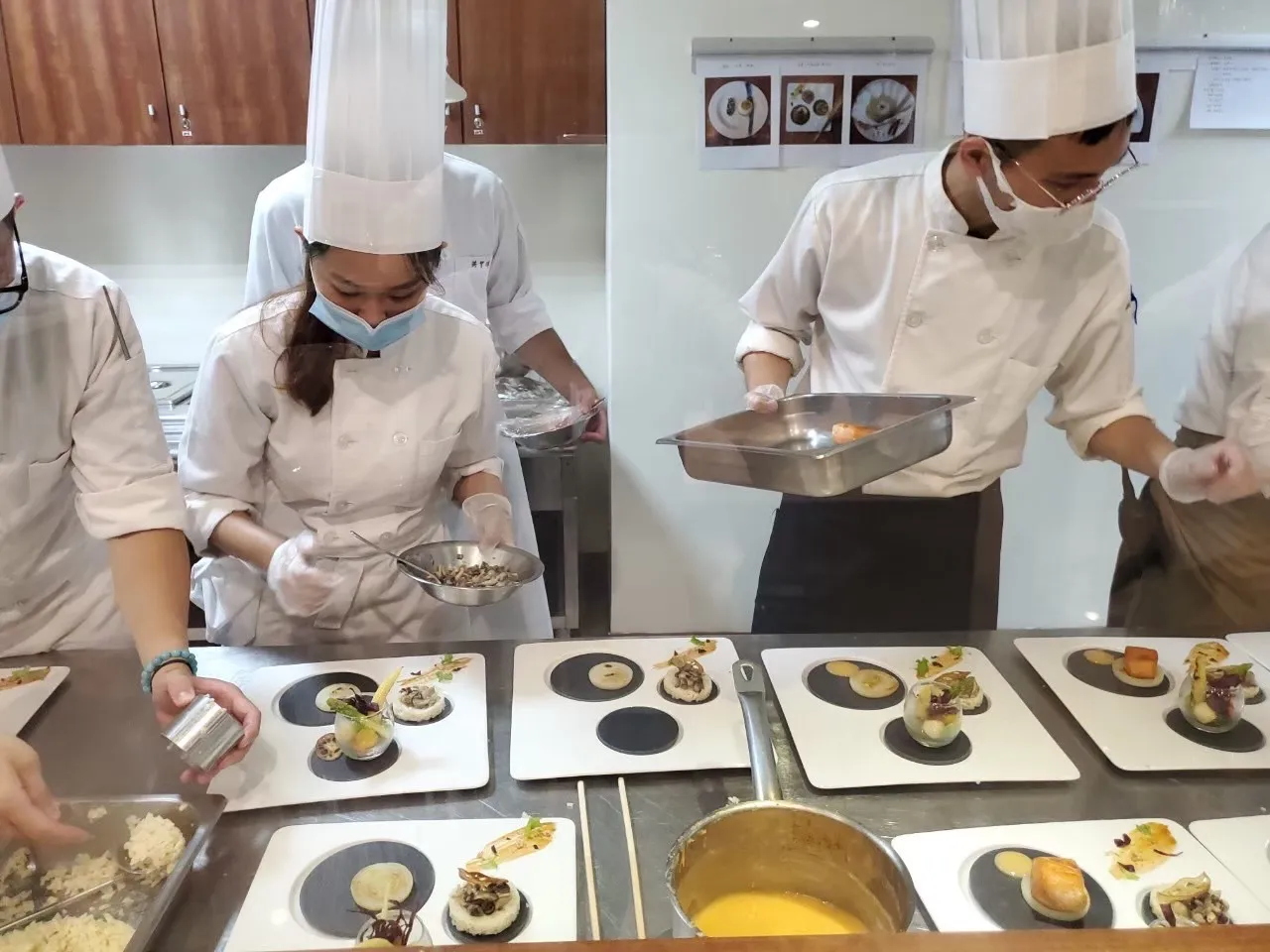
The curriculum integrates classroom instruction, professional training, simulated learning environments, and internship experiences to enhance students' employability and practical hospitality management skills.
Key Summary: Cultivating hospitality professionals with management, leadership, ethics, and practical industry skills.
Graduate Competencies
Upon graduation, students of the Department of Hospitality Management are expected to possess the following professional competencies:
- The ability to apply hospitality management theories and practical skills while integrating them effectively into real-world professional situations.
- The ability to manage hospitality, restaurant, and hotel operations while adapting proactively to market changes and industry trends.
- The ability to demonstrate corporate ethics, strong communication skills, leadership capabilities, and teamwork, enabling graduates to become well-rounded hospitality professionals.
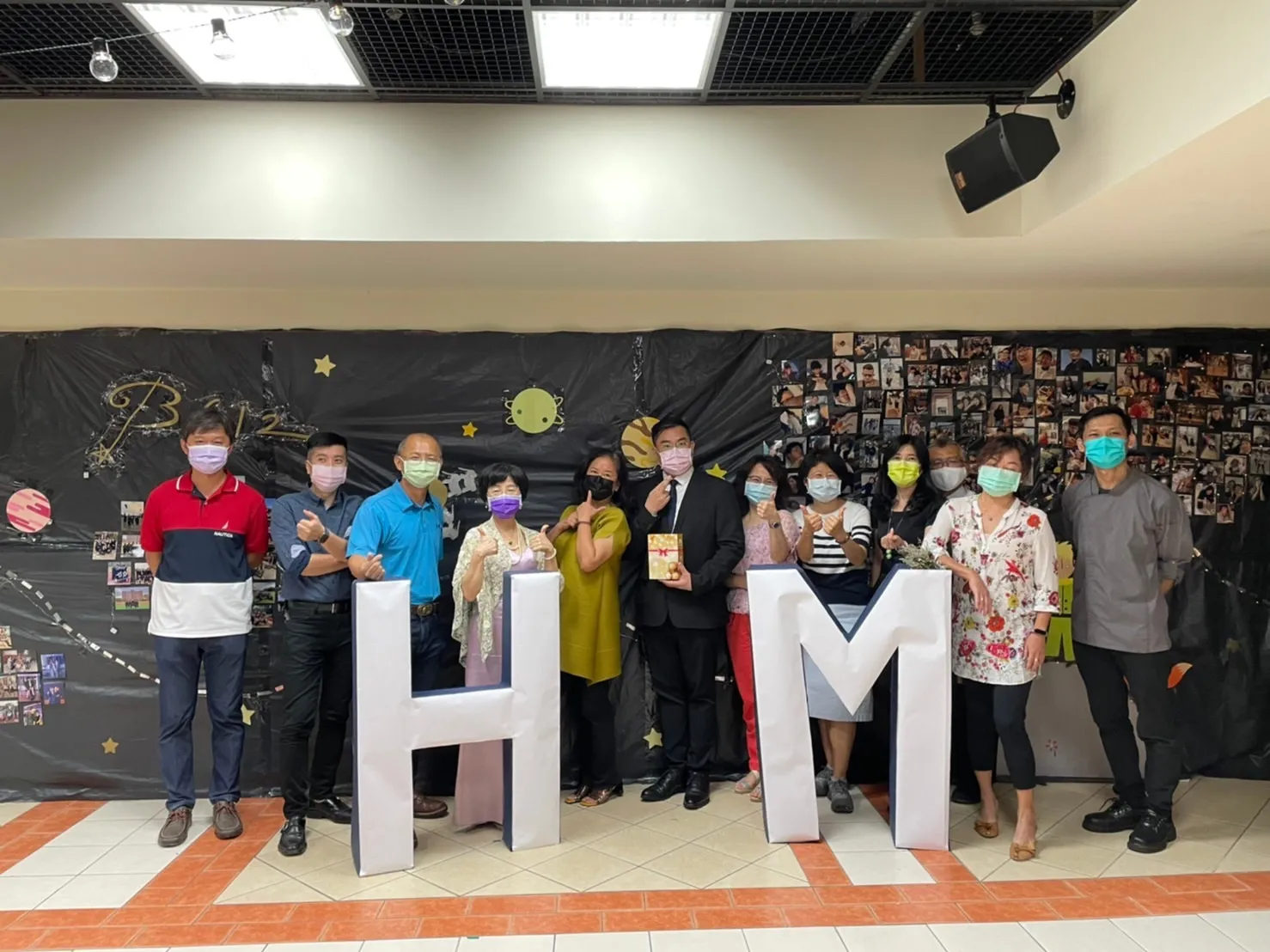
Professional competency development combines academic learning, practical training, leadership cultivation, and ethical education to prepare students for successful careers in the hospitality industry.
Our Goal: Cultivating Globally-Minded and Well-Rounded Hospitality Management Professionals
Future Career Competencies
- Proficient in hotel and food & beverage operations, with the professional capability to advance into supervisory and managerial positions.
- Equipped with global mobility and opportunities for international employment, overseas internships, or advanced studies abroad.
- Capable of integrating marketing strategies and data analytics skills to develop personal brands and initiate innovative entrepreneurial ventures.
- Prepared to become hospitality educators who pass on professional expertise, management knowledge, and service excellence values.
- Able to combine technology and service design concepts to pioneer smart hospitality and future-oriented service models.
Department of Hospitality Management | Learning Highlights
-
Industry Mentors from Top Hotels
Faculty members include academic scholars and senior executives from Marriott Kaohsiung Hotel, E-DA Royal Hotel, and E-DA Skylark Hotel, bridging hospitality theory and real-world operations. -
Diverse Practice Labs for Real-World Simulation
Students learn through immersive facilities including simulated hotel front desks, food and beverage service classrooms, and kitchen operation centers aligned with industry standards. -
Hospitality × Digital × Innovation: Cross-Disciplinary Empowerment
The curriculum combines hospitality management, smart technology, branding, customer experience, sustainability, business English, and data analytics to prepare students for future industry transformation. -
Experiential Learning That Builds Leadership
Through real projects, professional internships, and practical training, students strengthen leadership, teamwork, decision-making, and communication skills. -
Global Internships and Bilingual Learning
International hotel partnerships and English-taught learning opportunities help students develop global perspectives and enhance international employability. -
Capstone Projects with Cross-Field Collaboration
Interdisciplinary capstone projects encourage collaboration with students from media, design, technology, and other fields to transform innovative ideas into practical hospitality solutions.
The department integrates industry-academia collaboration, digital innovation, international mobility, leadership cultivation, and interdisciplinary learning to prepare students for future hospitality industry challenges and career opportunities.